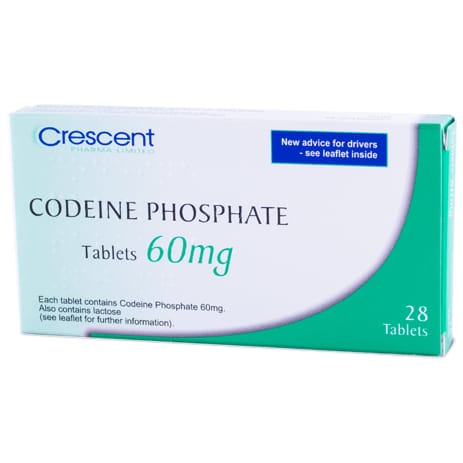
Europe has implemented stringent/strict/comprehensive regulations surrounding the usage/consumption/sale of codeine phosphate, a potent/powerful/strong opioid analgesic. These regulations are designed/intended/meant to ensure/guarantee/provide responsible use and minimize the risks/dangers/threats associated with this medication/drug/substance. Various/Multiple/Diverse European countries have adopted/implemented/enforced their own specific/unique/individual codeine phosphate laws, which vary/differ/change in terms of prescribing/dispensing/availability.
Furthermore/Moreover/Additionally, these regulations often include/cover/address aspects such as maximum daily doses, prescription/authorization/requirement periods, and restrictions/limitations/controls on the purchase/acquisition/obtainment of codeine phosphate. Understanding these complexities/nuances/details is essential/crucial/vital for both healthcare professionals and individuals/patients/consumers who may require codeine phosphate for pain management/therapeutic purposes/medical treatment.
Accessing Codeine Phosphate in European Pharmacies
The availability of codeine phosphate in European pharmacies differs significantly between countries. Strict regulations governing the distribution of this opioid medication ensure responsible use and limit the risk of abuse. Patients seeking codeine phosphate for alleviating discomfort should speak with their doctor to determine if it is an appropriate treatment option. It is essential to follow medication instructions carefully and avoid self-medicating.
- Furthermore, pharmacies may require a valid prescription from a licensed healthcare professional for dispensing codeine phosphate.
- Guidance regarding specific regulations and availability can be acquired from local pharmacy boards or the relevant government departments.
Acquiring Codeine Phosphate Online in Europe: Legal and Safe Practices
Codeine phosphate is a/an/the popular painkiller utilized/employed/used to treat mild to moderate pain. Due to its effectiveness/efficacy/potency, many individuals seek/desire/attempt to purchase codeine phosphate online from/via/through European suppliers. However, it's crucial/essential/vital to understand the legal repercussions/consequences/ramifications and safety concerns/issues/factors associated with this/such/these practices.
Legally/Lawfully/Officially, codeine phosphate is a prescription/regulated/controlled drug in most European countries, meaning it can only be obtained with/via/through a/an/the valid prescription from a licensed/authorized/registered medical professional. Buying codeine phosphate online without/excluding/lacking a prescription is illegal/prohibited/against the law.
Furthermore, the safety of purchasing codeine phosphate online varies/fluctuates/differs significantly depending on the source/supplier/vendor.
Consuming/Ingesting/Taking copyright or contaminated medication can lead to serious/grave/severe health risks/threats/problems. It's important/essential/critical to ensure that you are purchasing/acquiring/obtaining codeine phosphate from a reliable/trustworthy/legitimate source.
Here/Below/Following are some tips for buying/procuring/acquiring codeine phosphate online safely and legally in Europe:
* Always consult with your doctor before taking/using/consuming codeine phosphate.
* Ensure that you have a valid prescription from a licensed medical professional.
* Only purchase codeine phosphate from reputable online pharmacies that are licensed/registered/authorized to operate in your country.
* Verify/Confirm/Authenticate the pharmacy's credentials and read customer reviews before making a/an/the purchase.
* Be aware of potential/existing/possible scams and fraudulent websites.
* Store/Keep/Maintain codeine phosphate securely and out of reach of children.
By following these guidelines, you can minimize/reduce/lower the risks associated with buying codeine phosphate online in Europe and ensure/guarantee/confirm that you are obtaining safe and legal medication.
Codeine's Role as a Analgesic in European Countries
Codeine is a popular narcotic medication frequently utilized in numerous European countries for managing moderate to severe pain. It is typically prescribed for conditions such as headaches, toothaches, and muscle aches. Yet, due to its potential for abuse, codeine is regulated in most European nations, and its use necessitates a prescription from a qualified healthcare professional. The specific regulations governing codeine availability and usage can fluctuate between countries, with some implementing stricter controls than others.
Patients seeking pain relief in Europe should consult their doctor to determine if codeine is an appropriate treatment option for them. They will be able to determine the potential risks and benefits of using codeine, considering the patient's medical history, current health status, and other elements. Codeine delivery in Europe
- Furthermore, patients should be informed about the potential side effects of codeine, such as constipation, drowsiness, and nausea. It is also important to avoid mixing codeine with alcohol or other central nervous system depressants.
- Ultimately, responsible use and strict adherence to prescription guidelines are crucial for ensuring the safe and effective management of pain with codeine in Europe.
Codeine Phosphate Dosage Guidelines for Adults and Children in Europe
Codeine phosphate is a medicinal drug frequently prescribed to treat pain in Europe. Prescription strength guidelines for adults and children vary depending on the grade of pain, the patient's year, and other elements. It is essential to speak with a healthcare professional for personalized dosage recommendations.
For adults, the typical daily dose of codeine phosphate ranges from 20mg to 60mg , divided into various doses throughout the day. Children's doses are determined based on their mass. It is important to diligently observe to the prescribed dosage schedule and avoid exceeding the recommended amount.
- Remember: Never share your codeine phosphate medication with others.
- Likely side effects of codeine phosphate include constipation, drowsiness, and nausea.
- Reach out to immediate medical attention if you experience any serious side effects or an excessive consumption.
Noteworthy Codeine Phosphate Side Effects and Interactions
Codeine phosphate is a medication often prescribed for pain relief and cough suppression. While it can be effective, it's essential to be aware of potential unwanted reactions. Common manifestations include constipation, drowsiness, dizziness, and itching. In rare instances, codeine phosphate can cause more seriousissues. It's crucial to speak with your doctor if you experience any unusual or severe symptoms.
Codeine phosphate can also interact with other medications, potentially leading to harmful effects. It's important to tell about all the medications and supplements you're taking before using codeine phosphate. This includes over-the-counter drugs, herbal remedies, and vitamins. Certain combinations can increase the risk of drowsiness, respiratory depression, or other complications.
Continental Perspectives on Codeine Dependence and Addiction
Codeine use has become a growing issue in Europe. Medical officials are growing increasingly concerned about the number of people seeking assistance for codeine reliance. Many factors influence to this trend, including the readily available nature of codeine-based medications, socioeconomic disparities, and norms surrounding pain management.
Initiatives are underway in across the continent to address this problem. These programs often comprise a mixture of information programs, stricter regulations on codeine prescription and distribution, and expanded access to treatment.
Rules for Codeine Phosphate in Different European Nations
Codeine phosphate is a analgesic medication frequently used to reduce pain and cough. The legal framework surrounding codeine phosphate differs significantly across European countries. In some states, codeine phosphate is readily available over the pharmacy. However, in several, a prescription from a licensed physician is essential. The specific restrictions for obtaining codeine phosphate can fluctuate on factors such as the person's medical history, years, and the purposed use of the medication.
- Additionally, certain European countries may have tighter regulations regarding the possession and supply of codeine phosphate. It is important for individuals requesting to obtain codeine phosphate in Europe to consult the local laws and restrictions.
- In conclusion, understanding the {specific{ prescription requirements for codeine phosphate in different European countries is essential to ensure compliance with legal standards and ensure safe and responsible medication use.
Uncovering the History of Codeine Phosphate Use in Europe
Codeine phosphate has a lengthy/extensive/protracted history of employment/utilization/application in Europe, spanning/reaching back to/extending over centuries. Its initial/early/former uses included treating/managing/alleviating pain/aches/discomfort, particularly for widespread/common/frequent ailments like coughs/respiratory issues/throat irritations. The development/progression/evolution of medicine in Europe saw shifts/changes/variations in the prescription/administration/usage of codeine phosphate, with its popularity/efficacy/acceptance fluctuating/waxing and waning/rising and falling over time.
Several factors have contributed to/influenced/shaped the use of codeine phosphate in Europe, including cultural norms/social attitudes/medical practices, scientific advancements/breakthroughs/discoveries, and regulatory policies/legal frameworks/governmental controls. Today, codeine phosphate remains a commonly used/frequently prescribed/widely available medication in many/various/numerous European countries, though its use is subject to stricter regulations/increased scrutiny/tighter control due to concerns about dependence/addiction/abuse potential.
The Role of Codeine Phosphate in Palliative Care Across Europe
Codeine phosphate holds a central role in palliative care across various European countries. This powerful opioid delivers effective analgesic for patients experiencing advanced illnesses. While strict regulations and guidelines govern its dispensing, codeine phosphate continues to be a valuable resource in managing the difficult pain presentations of life-limiting conditions. The use within European palliative care contexts exhibits a focus to providing palliation and improving the quality of life for patients at the end.
Exploring the Legal Landscape of Codeine Phosphate Acquisitions in Europe
The European market for codeine phosphate presents a complex web of legal regulations that vary significantly across nations. While some countries maintain liberal control over its procurement, others exhibit more relaxed approaches. Understanding these distinct legal frameworks is crucial for both manufacturers and clinicians operating within the European Union. Conquering this legal labyrinth requires thorough research and adherence to specific guidelines in each jurisdiction.
Moreover, evolving international agreements regarding opioid substances can affect the legal landscape of codeine phosphate exchange within Europe. Keeping abreast of these developments is imperative to maintain compliance and avoid potential penalties.
Codeine Phosphate: An In-Demand Pain Reliever in European Healthcare
Codeine phosphate is a highly regarded/well-established/commonly prescribed analgesic medication widely used/frequently employed/popularly utilized within Europe's medical system. Its effectiveness in managing moderate to severe/mild to moderate/fairly intense pain has made it a trusted choice/preferred option/reliable solution for physicians and patients alike. The drug is typically administered/commonly dispensed/often prescribed in oral/tablet/capsule form and can be effective in treating various ailments/a range of conditions/numerous medical issues. While codeine phosphate offers significant pain relief, it's important to use it under the guidance of a healthcare professional due to its potential for side effects/adverse reactions/unwanted consequences
Comparative regarding Codeine Phosphate Policies in E.U. Nations
A comprehensive investigation into the differentiated laws surrounding codeine phosphate across various Continental European nations exposes a nuanced landscape. While some nations enact strict regulations, others implement a {moreflexible approach. This discrepancy arises from a multitude of aspects, such as cultural norms, health frameworks, and past situations. This study aims to clarify on these variances and their {potential implications for individuals, decision-makers.
Securing a Reputable Codeine Phosphate Supplier in Europe
Finding a reliable supplier of Codeine Phosphate in Europe can be difficult. With strict regulations surrounding the procurement of controlled substances, it's crucial to conduct meticulous due diligence. Begin by investigating potential suppliers online and referring industry resources.
Evaluate factors like their reputation, product quality, and support. Don't hesitate to inquire samples before making a final decision. Remember, transparency is paramount when working with suppliers of controlled substances.
European
The European Recommendations for Effective and Efficient Use of Codeine Phosphate provide crucial guidance for healthcare professionals on the suitable use of this prescription drug. These guidelines aim to ensure the benefits of codeine phosphate while minimizing the risks of adverse effects. They cover a range of topics, including dosage, patient selection, monitoring for potentialcomplications, and methods to prevent dependence.
Options for Codeine Phosphate in European Markets
Seeking relief from pain without relying on codeine phosphate? European markets offer a range of effective alternatives to consider. These options can provide similar symptom management while minimizing the potential for side effects. Some popular choices encompass over-the-counter painkillers, herbal supplements, and prescription drugs. Consulting with a healthcare professional is crucial to identify the most suitable alternative for your specific situation.
- Frequently Used alternatives encompass ibuprofen, paracetamol, and naproxen.
- For chronic pain, approaches like physical therapy or acupuncture may be beneficial.
- Always follow your doctor's instructions when using any alternative medication.
Recent Regulatory Shifts on Codeine Phosphate Access in Europe
The European Union has implemented several regulatory changes concerning codeine phosphate access. These laws aim to decrease the risk of overconsumption. The impact of these changes has been significant, leading to constraints on the availability of codeine phosphate in many European countries.
- Drugstores are now required to strictly regulate the distribution of codeine phosphate, often implementing rigorous identification and record-keeping procedures.
- Patients seeking to acquire codeine phosphate now face higher requirements, which can include meetings with healthcare experts and probable caps on the quantity they can purchase.
Individual Knowledge of Codeine Phosphate Risks and Benefits in Europe
The level of awareness among European consumers regarding the potential side effects and benefits of codeine phosphate is a complex and evolving issue. While codeine phosphate is a widely prescribed analgesic, its misuse and potential for dependence raise significant concerns. Public education campaigns and healthcare professionals' advice play a crucial role in informing the public about the safe and responsible use of codeine phosphate.
- It is essential to foster open conversations about the potential hazards associated with codeine phosphate use.
- Additionally, it is important to emphasize the importance of adhering to prescribed dosages and seeking professional advice for any doubts regarding its use.
Tackling the Opioid Crisis: The Role of Codeine Phosphate in Europe
The opioid crisis represents a significant public health concern across many European nations. While codeine phosphate continues as a commonly prescribed analgesic, its potential for dependence poses a serious challenge. Medical professionals utilize actively researching the contributing elements that drive opioid reliance, and implementing measures to mitigate its devastating impact. One aspect of this endeavor involves controlling the prescribing practices of codeine phosphate, while simultaneously ensuring access to effective addiction care.
Phosphate Codeine Applications in Europe
Codeine Phosphate itself is a widely utilized medication in Europe for managing acute and chronic discomfort. While effective, its use requires careful consideration due to potential side effects and the risk of abuse. Recent years have witnessed heightened attention regarding codeine phosphate's safety profile, prompting a review of its current guidelines across European nations.
- National regulatory bodies are actively engaged in scrutinizing the benefits and risks associated with codeine phosphate, particularly in individuals at risk.
- Recommendations regarding its administration are continually being updated to ensure patient well-being while still providing access to effective pain management options.
- Educational initiatives play a crucial role in promoting responsible use of codeine phosphate.